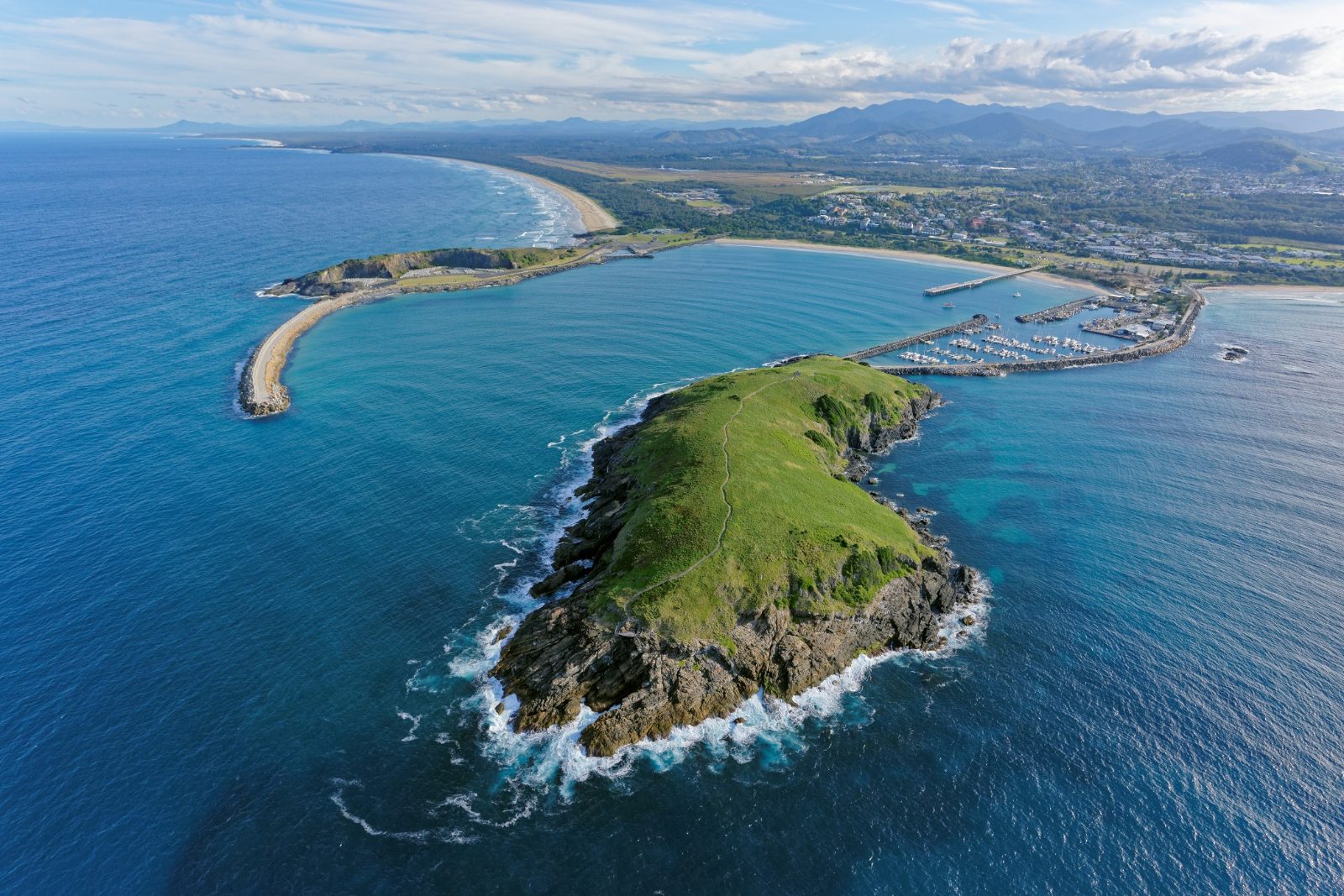
Muttonbird Island Eastern Lookout
06:00–10:00
Elevated position providing clear sightlines over the Pacific Ocean for whale activity.
Coffs Harbour sits on the humpback whale superhighway along the New South Wales coast. Between June and November each year, thousands of whales pass the headlands as they migrate between Antarctic feeding grounds and tropical breeding waters. Muttonbird Island Nature Reserve offers one of the state's most accessible land-based vantage points.
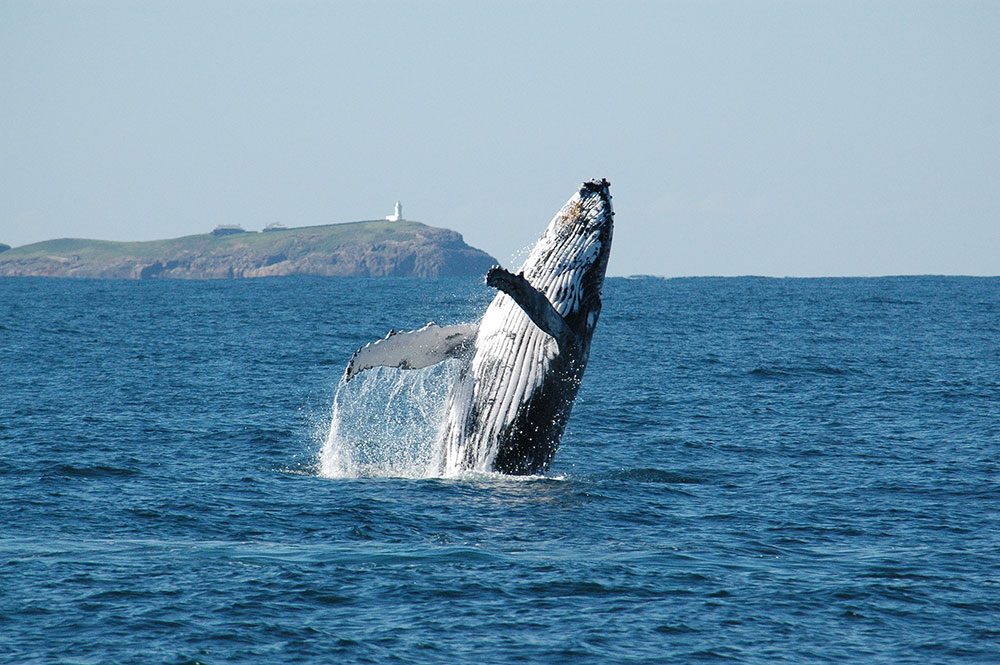
Quick answer
Muttonbird Island Nature Reserve in Coffs Harbour is one of the premier locations where to see whales in NSW, offering free land-based viewing from elevated headland lookouts. The reserve is open daily from midnight to midnight with no admission charge. Peak whale migration occurs from June through November, with morning visits between 6:00 AM and 10:00 AM providing the best conditions for sightings due to calm seas and favorable light.
More than 35,000 humpback whales migrate past the New South Wales coastline each year, and Coffs Harbour's geography funnels them close to shore. Muttonbird Island rises 36 meters above the harbor entrance, creating a natural observation platform where visitors can watch whales breach, tail-slap, and nurse calves within a few hundred meters of the rocks. The northbound migration peaks between June and August as whales travel toward the warm waters of the Great Barrier Reef to breed and calve. Southbound traffic increases from September through November when mothers escort newborn calves back to Antarctic waters. During these windows, multiple sightings per hour are common from the island's walking track, which loops 800 meters around the summit. The path is paved but steep in sections, rising from Marina Drive through coastal heath and shearwater nesting colonies. Where to see whales in NSW from land requires patience and the right conditions. Early morning offers glassy water that reveals the distinctive blow spray and dorsal shapes more clearly than choppy afternoon seas. Binoculars help but are not essential; breaching whales are visible to the naked eye on clear days. The reserve's location at the harbor mouth also positions watchers to observe dolphins, sea turtles, and manta rays in the channel below. Boat-based whale watching operates from Coffs Harbour Marina throughout the migration season, providing closer encounters under regulated approach distances. These cruises depart multiple times daily and follow the migration corridor north and south of the harbor. Land-based viewing at Muttonbird Island complements boat tours by offering unlimited time, zero motion sickness, and the chance to watch whale behavior unfold without engine noise. The island's accessibility and year-round entry make it a practical choice for visitors planning around weather or budget constraints.
“During peak migration weeks, multiple whale sightings per hour are common from the island's elevated walking track.”
The optimal window for spotting whales in Coffs Harbour is during the annual migration season from May to November. Mornings are particularly favored for their calm sea conditions and superior light, which enhance visibility for spotting whale activity.
Cool, seasonal conditions
Northern migration as whales travel to warmer waters.
Mild spring weather
Southern migration with calves returning to feeding grounds.
Calm seas, optimal light
Morning hours offer the best light for photography and spotting.
Verdict: For the best conditions, aim for a weekday morning between June and September when sea conditions are typically at their calmest.
Access to the whale watching departure points at Coffs Harbour is located at Marina Drive. The area is easily accessible by car or local bus services that connect to the harbour precinct.
Follow the Pacific Highway (A1) and take the exit toward Coffs Harbour Marina on Marina Drive
Bus route 365 to the Coffs Harbour Marina stop
Walk from the Coffs Harbour city centre via Orlando Street
The best arrival window is 06:00–10:00 to utilize the calm morning sea conditions for spotting whales. Ample parking is available near Marina Drive, Coffs Harbour, NSW 2450.
Muttonbird Island Nature Reserve is accessible to the public throughout the week to support whale watching activities.
Access to Muttonbird Island Nature Reserve is managed by the New South Wales National Parks and Wildlife Service. There are no entry fees required to visit this location.
Verdict: A typical adult pays 0 AUD as there are no entrance fees for the reserve.
06:00–10:00
Elevated position providing clear sightlines over the Pacific Ocean for whale activity.
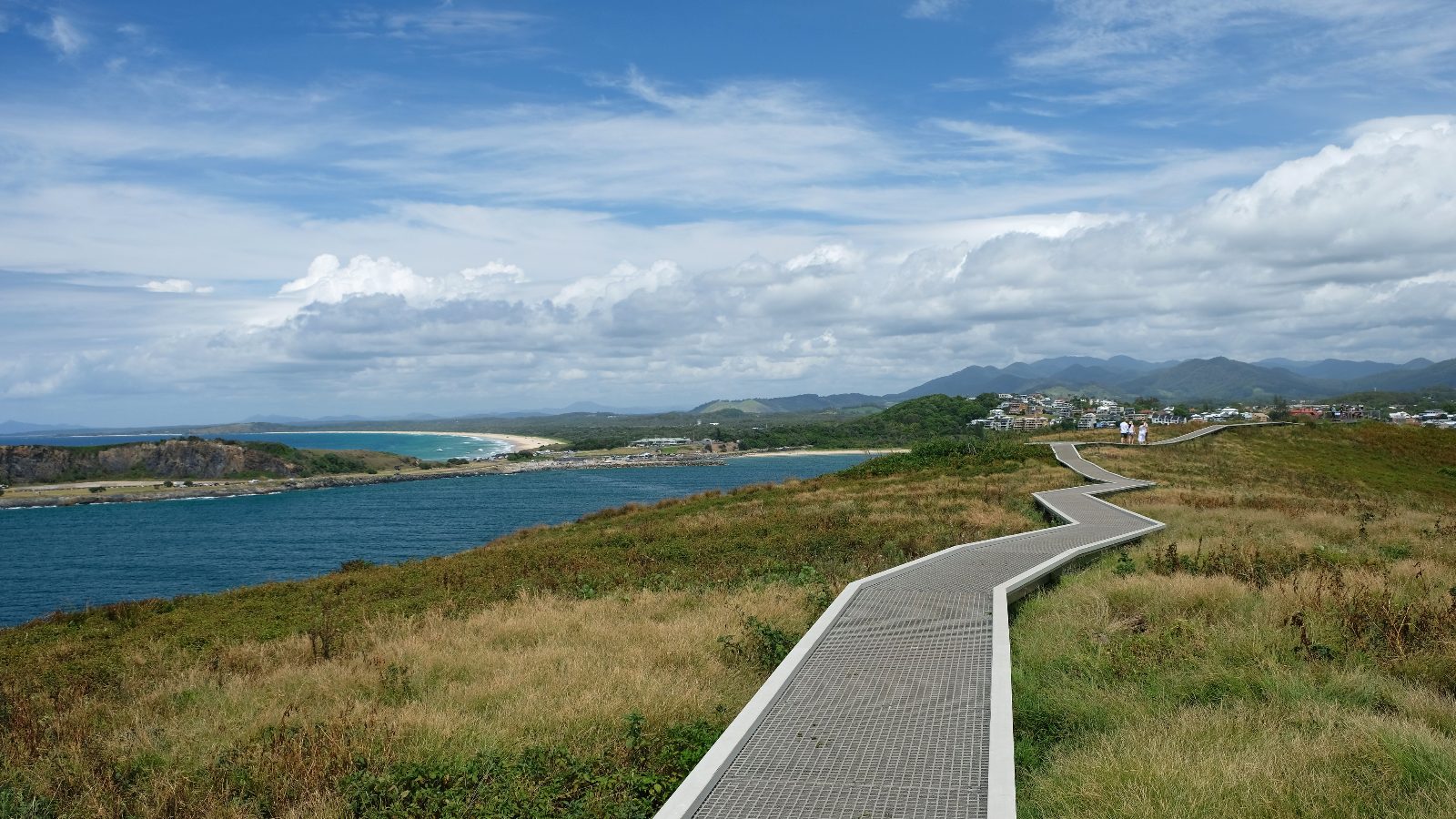
06:00–10:00
The paved path offers various vantage points along the ridge line for observing breaching whales.
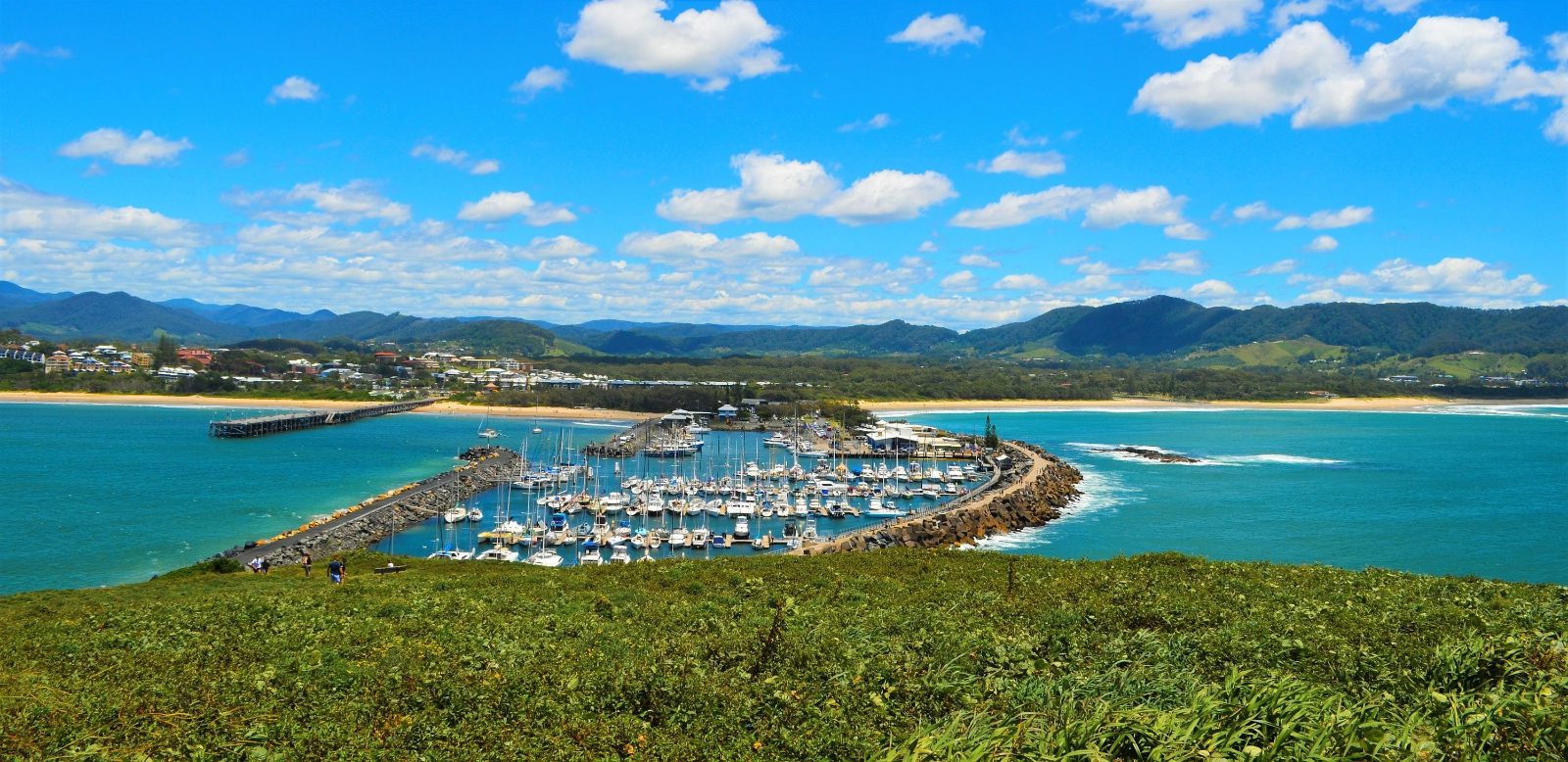
06:00–10:00
Low-angle perspective looking out toward the island and the open sea.
Essential items and preparation steps for whale watching from Coffs Harbour's coastal vantage points.
Everything you need to know about where to see whales in nsw
Muttonbird Island Nature Reserve is a primary location for those researching where to see whales in nsw. Its elevated position offers panoramic views of the Pacific Ocean, making it ideal for observing humpback migrations.
Access to Muttonbird Island is free entry with an entrance fee of 0 AUD. You can enjoy the scenic walking trails and observation points without any ticket costs.
While whale watching is a seasonal activity, the best light for photography and calm sea conditions occurs during the early morning. Planning your visit for the migration period provides the highest chance of successful sightings.
Muttonbird Island serves as one of the most significant local landmarks for coastal observation. It provides a unique vantage point that assists visitors wondering where to see whales in nsw.
The best arrival window for photographers and wildlife enthusiasts is 06:00–10:00. This period ensures optimal natural lighting and calmer waters for tracking marine mammals.
The nature reserve is open 24 hours a day, Monday through Sunday, allowing for flexibility in your schedule. While you can visit at any time, daylight hours remain essential for spotting activity in the water.
Visitors often look for where to see whales in nsw by scanning the horizon from Muttonbird Island. This spot is widely recognized as a top location for observing the annual migration along the Coffs Coast.
You can reach the site via Marina Drive, Coffs Harbour, NSW 2450. A paved path leads from the marina across the breakwater to the island, providing direct access to the prime viewing area.