2 hr
Coffs Harbour Whale Watching Cruise
Intimate 2-hour ocean voyage aboard a purpose-built vessel with morning refreshments and expert crew
Reserve
Hand-picked by our editors — only the best 5 experiences from 22 reviewed
Verified partners for every tour, free cancellation where available, and instant confirmation on every booking.
2 hr
Intimate 2-hour ocean voyage aboard a purpose-built vessel with morning refreshments and expert crew
Reserve
2 hr
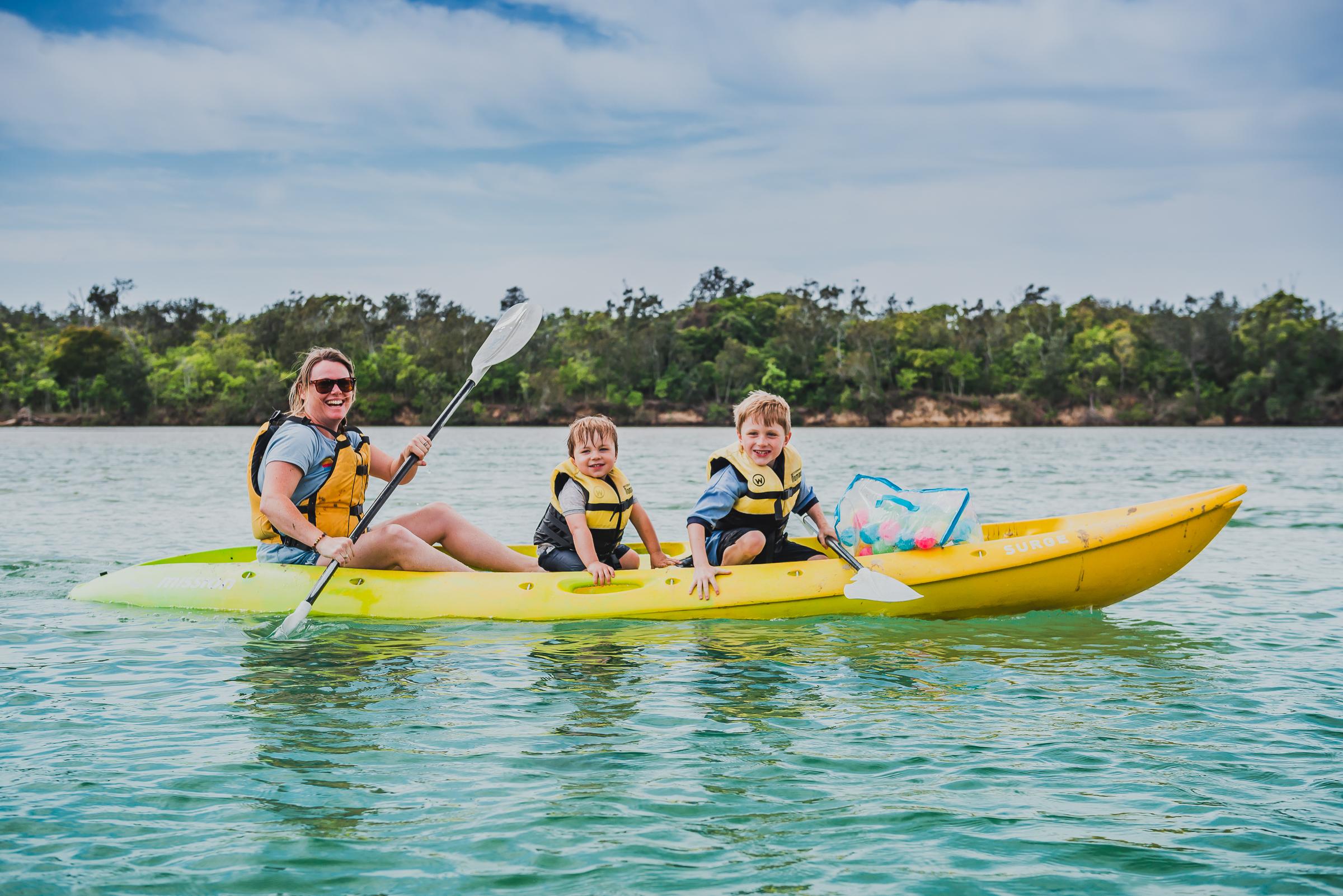
Paddle calm estuary waters with an expert guide, spotting rays and birds while learning coastal ecology.
Reserve
384 hr
Small-group premium journey spanning iconic cities, reef adventures, rainforest immersion, and Indigenous culture
ReservePrices from verified partners. Availability updates in real time at checkout. Free cancellation policies apply where shown.
The landmarks, rooms, and views travelers on this tour remember — all visible on a single visit.
A protected marine reserve serving as a vital corridor for migrating humpback whales
A custom-built boat designed for high-speed whale spotting and stability
An iconic coastal landmark offering panoramic views of the harbour entrance
A historic walking trail providing excellent elevated viewpoints for coastal whale spotting
A sheltered beach and starting point for many marine adventures within the marina district
They complement each other; most visitors who do both call the boat experience the more thrilling way to encounter humpback whales in their natural habitat. Securing coffs harbour whale watching tours tickets allows for closer encounters than relying on coastal vantage points alone.
| Feature | Top pick Boat Tours | Muttonbird Island |
|---|---|---|
Proximity to marine life |
Direct interaction at sea | Distance from shore |
Cost |
85 AUD per adult | Free |
Physical activity level |
Minimal | Moderate walking required |
Guaranteed sightings |
High probability of sightings | Dependent on surface activity |
Duration |
Multiple hour cruise | Flexible self-guided time |
Accessibility |
Vessel-dependent | Walking track access |
| See tickets → |
Verdict: While the Muttonbird Island walk offers a flexible, zero-cost alternative, booking coffs harbour whale watching tours provides the best opportunity to observe marine mammals in the open ocean during your coffs harbour whale watching tours tour.
Choose your ticket, select your date, and reserve in under two minutes. Secure checkout handled by our verified partner.
Instant confirmation by email, with a mobile voucher you can save offline. No printing, no queuing at a collection desk.
Arrive at the entrance, show your voucher on your phone, and walk in. Most tickets include priority or skip-the-line access.
Practical details for your visit straight from our verified partners — hours, access, rules, and how to get there.
Casual, weather-appropriate clothing is recommended. A windproof jacket is suggested for the boat ride as conditions can be breezy on the water.
Keep belongings minimal as there is limited space on the vessel. Secure all personal items before boarding to prevent loss at sea.
Photography is encouraged during all coffs harbour whale watching tours. Please ensure your camera equipment is protected from salt spray.
The boat is wheelchair accessible, though guests should contact the operator in advance to confirm requirements. Strollers are also permitted on the vessel.
These coffs harbour whale watching tours are family-friendly, welcoming guests of all ages. Infants must sit on a parent or guardian's lap during the cruise.
No food or drink services are provided on board. Guests are welcome to bring their own water and light refreshments for the journey.
Best time to go, insider tips, nearby landmarks, and the cancellation fine print — flip through to skim what matters to you.
Flexible, no hidden fees.
You can cancel your booking up to 24 hours in advance of the experience for a full refund of your 85 AUD entrance fee. Cancellations made within 24 hours of the tour departure time are typically non-refundable.
Between May and November each year, more than 35,000 humpback whales navigate the 10,000-kilometre corridor between Antarctic feeding grounds and subtropical breeding waters off Queensland. The mid-point of that journey passes directly through the Solitary Islands Marine Park, where the continental shelf drops from 40 metres to 600 metres within two nautical miles of Coffs Harbour's coast. That abrupt bathymetric edge creates nutrient upwellings that concentrate krill and small fish, turning the corridor into a predictable feeding lane and one of the densest whale migration routes in the Southern Hemisphere. Coffs Harbour whale watching tours depart from the International Marina, a purpose-built facility opened in 2010 to replace the older Jetty strip berthing. The marina sits at the southern fringe of the Solitary Islands Marine Park, a 70-kilometre reserve established in 1991 to protect the convergence zone where tropical and temperate currents meet. That thermal boundary supports 90 hard coral species—the southernmost reef-building corals on Australia's east coast—and draws transient marine megafauna year-round. During peak migration months in June and July, southbound mothers with newborn calves travel at walking pace, often resting in the sheltered bays between Mutton Bird Island and Split Solitary Island. Northbound whales in September and October move faster, breaching and tail-slapping in competitive pods as males vie for mating access. The standard whale watching cruise operates from 08:30 to 17:00 daily throughout the migration window, with departures timed to morning's calmer sea states and the predictable movement of pods along the 100-metre depth contour. Vessels range from 15-metre aluminium cats to larger mono-hulls certified for 50 passengers, all equipped with hydrophones that broadcast baleen song through onboard speakers. Marine scientists from Southern Cross University's National Marine Science Centre accompany select departures, tracking individual whales using fluke photogrammetry and dorsal fin scarring. Data collected from these citizen-science cruises feeds into the East Australian Humpback Population Study, which has documented the species' recovery from fewer than 500 individuals in 1960 to an estimated population exceeding 40,000 today. The Solitary Islands corridor also supports transient pods of bottlenose dolphins, occasional orcas trailing the humpback migration, and seasonal aggregations of manta rays near the Macauleys Headland upwelling zone. Visibility averages 15 metres during winter months, when offshore winds flatten the Tasman Sea and southbound whales linger within 500 metres of the breakwall.
"That abrupt bathymetric edge creates nutrient upwellings that concentrate krill and small fish, turning the corridor into a predictable feeding lane."
A step-by-step walkthrough of the visit — what you'll see, how long each stage takes, and the details that matter.
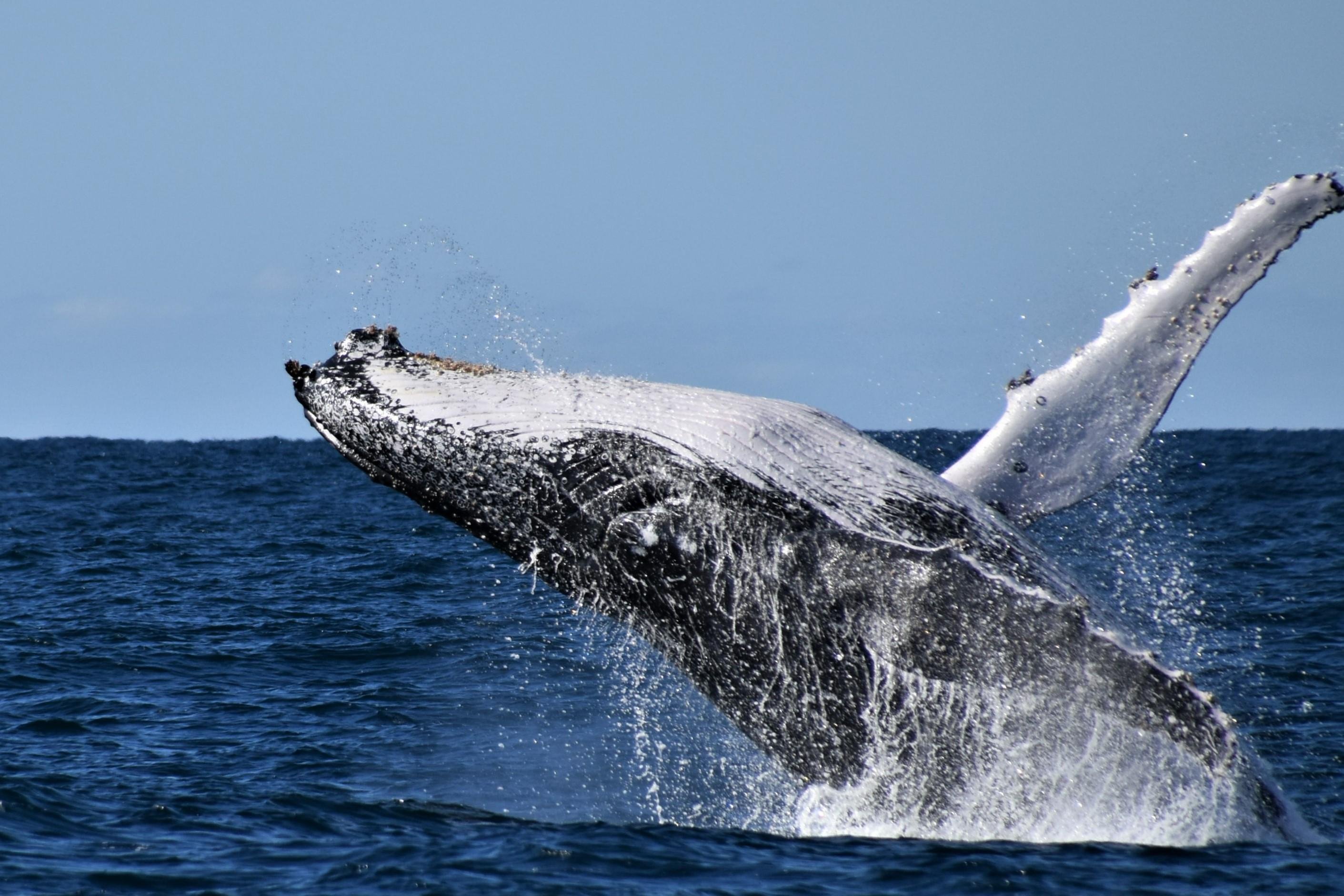
You arrive at the International Marina by 08:15, scanning the berthing slips for your vessel's charter flag. The morning air carries salt and diesel, and gulls wheel above the fish-cleaning stations as deck crew load ice chests and stow life vests in weatherproof lockers. You board at 08:30 sharp, choosing a spot on the starboard rail where the rising sun won't silhouette the water. The twin diesels rumble as the vessel clears the breakwall, and within twelve minutes you pass Mutton Bird Island's granite outcrop, its shearwater colony visible as dark smudges against the scrub. The skipper cuts throttle at the 60-metre line, where the depth sounder trace drops sharply and the sea shifts from green to indigo. You wait, scanning the horizon for the telltale mist of a blow. Then: a 15-metre cow surfaces 200 metres to port, her calf tight against her flank, both exhaling twin plumes that hang in the still air. The hydrophone crackles with low-frequency pulses, rhythmic and alien. You watch them dive, flukes lifting in unison, and the vessel repositions gently, maintaining the regulatory 100-metre buffer. Over the next two hours you count nine separate sightings—a competitive pod breaching near Split Solitary, a lone bull tail-slapping repeatedly, a mother and calf resting so close you see barnacle clusters on the calf's pectoral fin.
The standard adult ticket price for whale watching cruise is 85 AUD.
There are no specific age restrictions, making this a great activity for families.
We recommend an arrival between 08:30–14:00 to ensure you have the best experience in calm morning sea conditions.
Yes, the vessel used for these coffs harbour whale watching tours is accessible for wheelchairs.
You are welcome to bring your own water and light snacks, but no food is served on board.
Yes, all tours are subject to weather conditions and may be rescheduled or refunded if sea states are unsafe.
Each of these coffs harbour whale watching tours is designed for an efficient and rewarding experience on the water.
Yes, booking in advance is highly recommended as space is limited for each trip.
Cancellations are accepted up to 24 hours before your trip for a full refund of your 85 AUD ticket.
Whale watching is seasonal, generally operating from June to early November each year.