2 hr
Coffs Harbour Whale Watching Cruise with Morning Tea
Sail the open ocean aboard a purpose-built vessel with intimate group sizes and panoramic deck views.
Reserve
Hand-picked by our editors — only the best 5 marine experiences from 87 reviewed.
Verified partners for every tour, free cancellation where available, and instant confirmation on every booking.
2 hr
Sail the open ocean aboard a purpose-built vessel with intimate group sizes and panoramic deck views.
Reserve
2 hr
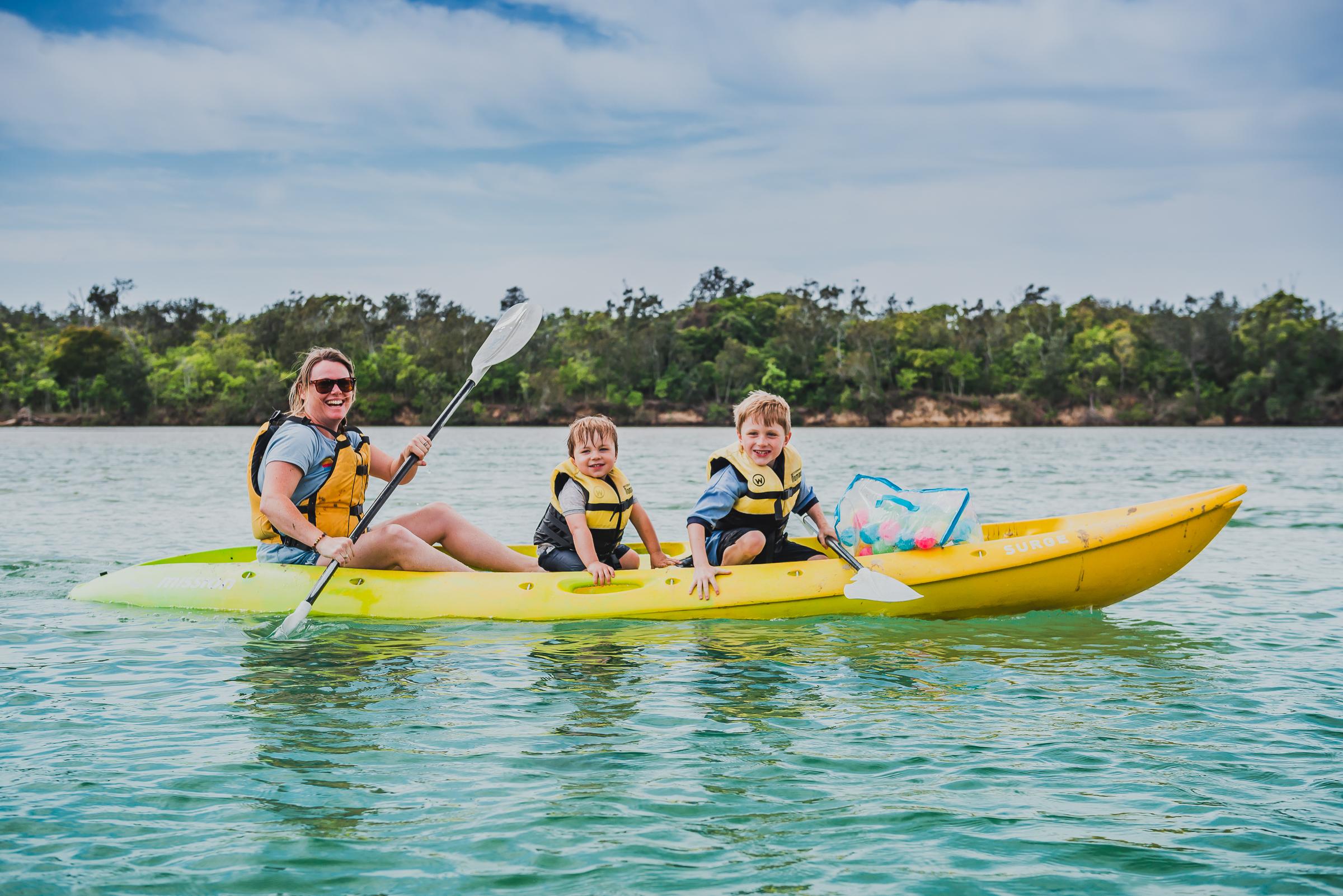
Paddle calm estuarine waters with an expert guide, spot rays and wading birds, and learn the ecology of this hidden coastal gem.
Reserve
384 hr
Explore Australia's iconic east from harbour city to ancient rainforest on a curated small-group journey
ReservePrices from verified partners. Availability updates in real time at checkout. Free cancellation policies apply where shown.
The landmarks, rooms, and views travelers on this tour remember — all visible on a single visit.
The fast, custom-built boat allows for quick travel between whale pods for maximum viewing time.
The surrounding waters are a protected sanctuary, providing a pristine environment for migrating whales.
The convenient departure point located centrally within the marina, providing easy access to the fleet.
Strategically positioned land-based lookout that helps guide the boat toward active pods.
Offers a scenic backdrop and a popular walking path for visitors to view the marina area.
They complement each other; visitors seeking high-energy marine observation prefer whale cruises, while those desiring tranquil environmental immersion favor the kayak eco-tour. Choosing between these coffs harbour whale watching prices tours depends on whether you prefer open-ocean sightings or sheltered waterway discovery.
| Feature | Top pick Whale Cruise | Boambee Creek Kayak |
|---|---|---|
Activity Type |
Ocean vessel cruise | Guided kayak eco-tour |
Interaction Level |
Passive observation | Active participant |
Price |
90 AUD (summer) | 75 AUD (summer) |
Physical Effort |
Low | Moderate |
Target Audience |
General sightseeing public | Active nature enthusiasts |
Educational Depth |
Marine biology commentary | Estuarine ecosystem analysis |
| See tickets → |
Verdict: If you prioritize large cetacean encounters, the official coffs harbour whale watching prices tickets provide the best value, whereas the kayak option is superior for a hands-on, calm-water experience.
Choose your ticket, select your date, and reserve in under two minutes. Secure checkout handled by our verified partner.
Instant confirmation by email, with a mobile voucher you can save offline. No printing, no queuing at a collection desk.
Arrive at the entrance, show your voucher on your phone, and walk in. Most tickets include priority or skip-the-line access.
Practical details for your visit straight from our verified partners — hours, access, rules, and how to get there.
Wear comfortable clothing and a light jacket, as sea breezes can be cool even on sunny days. Non-slip footwear is recommended for walking on the jetty and boat deck.
Keep belongings minimal. Personal bags should be compact and stowed safely under seats during the cruise.
Photography is encouraged. Use a strap for your camera or phone to prevent it from falling overboard while capturing marine life.
The vessel is designed for accessibility and can accommodate wheelchairs. Please contact the operator in advance to arrange boarding assistance.
Families are welcome, with life jackets provided for all ages. Children under 18 must be supervised by an adult at all times.
Complimentary tea, coffee, and biscuits are provided on board. Bringing a refillable water bottle is advised for hydration during the tour.
Best time to go, insider tips, nearby landmarks, and the cancellation fine print — flip through to skim what matters to you.
Flexible, no hidden fees.
Full refund available for cancellations made at least 48 hours in advance. Trips cancelled by the operator due to weather conditions will also be refunded.
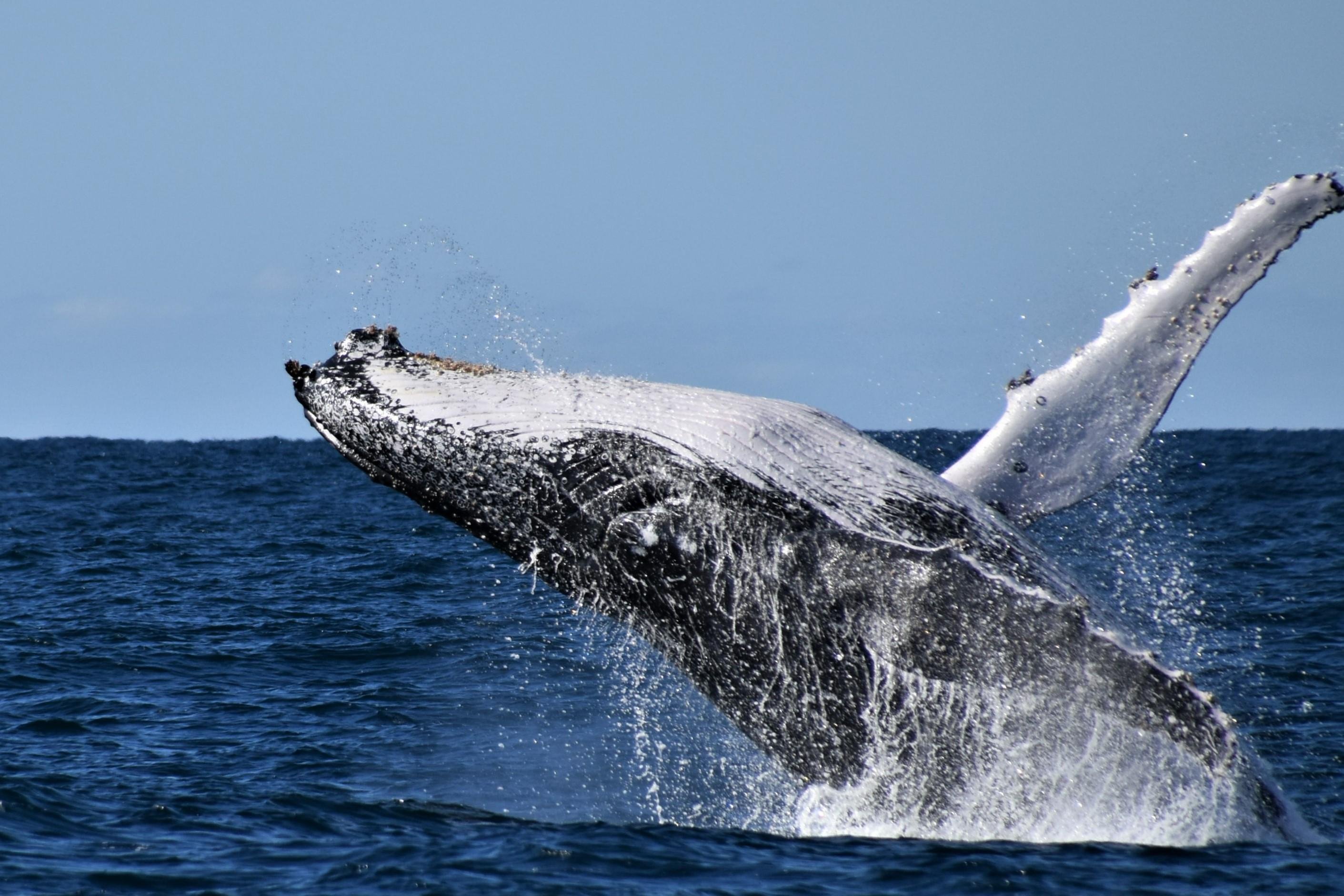
Each austral winter, fifteen thousand humpback whales pass within sight of Coffs Harbour, threading the continental shelf on a six-thousand-kilometre migration between Antarctic feeding grounds and the warm calving lagoons of the Great Barrier Reef. The procession runs from June through November, with peak sightings concentrated in September and early October when mothers shepherd newborn calves southward through the Solitary Islands Marine Park. Cetacean researchers recorded the first commercial whale watch departures from Coffs Harbour International Marina in 1989, three years after the Australian government declared all territorial waters a whale sanctuary and eighteen years after the collapse of the Byron Bay whaling station marked the end of commercial hunting along the east coast. The harbour's position at 30° south latitude places it directly on the humpback highway, the narrow coastal corridor where southbound pods travel within three nautical miles of shore. Morning departures from Marina Drive intercept the migration route in less than fifteen minutes, positioning vessels in the cetacean transit zone while sea conditions remain glassy and visibility extends beyond ten kilometres. Onboard marine scientists identify individual animals by fluke markings and dorsal fin scarring, contributing sighting data to the Southern Hemisphere Humpback Whale Catalogue maintained by Southern Cross University. Passengers witness breaching, tail slapping, and pectoral fin displays as calves practice the behaviours they will need for trans-oceanic travel. Coffs harbour whale watching prices tours begin at ninety dollars per adult for a three-hour morning cruise with tea service, positioning the region as one of the most accessible cetacean viewing destinations on the Pacific coast. The standard cruise departs at 09:00, returns by midday, and operates daily throughout the migration window with hydrophones that broadcast whale song through the vessel's speaker system. Extended expeditions venture to the outer reef edge where deeper water concentrates feeding activity and competitive pod behaviour intensifies. All licensed operators adhere to the fifty-metre approach limit mandated by the Environment Protection and Biodiversity Conservation Act, though curious juveniles often surface within arm's reach of stationary hulls. The Solitary Islands formation creates a unique convergence zone where the warm East Australian Current meets cooler upwelling from the Tasman Sea, supporting year-round populations of bottlenose dolphins, Australian fur seals, and seasonal aggregations of manta rays that accompany the humpback migration. This marine biodiversity corridor extends from South West Rocks to Woolgoolga, encompassing seventy-five square kilometres of protected reef and pelagic habitat. Whale watching revenue now exceeds twelve million dollars annually across the Mid North Coast region, funding marine research programs and supporting coastal conservation initiatives that safeguard migration corridors against shipping traffic and acoustic pollution.
"Fifteen thousand humpback whales pass within sight of Coffs Harbour each winter, threading the continental shelf on a six-thousand-kilometre migration between Antarctic waters and tropical calving grounds."
A step-by-step walkthrough of the visit — what you'll see, how long each stage takes, and the details that matter.
You arrive at Coffs Harbour International Marina forty-five minutes before the 09:00 departure, joining thirty other passengers on the boarding dock as crew conduct the pre-voyage safety briefing. The vessel clears the breakwall at 09:12, accelerating to twenty-two knots as the captain steers northeast toward the three-nautical-mile mark where humpback sightings concentrate during the morning transit window. Within eighteen minutes you spot the first blow—a vertical plume of vapour rising six metres above the surface—and the engines cut to idle as the boat drifts to a stationary position fifty metres from a resting pod. A calf surfaces beside its mother, exhaling in a rhythm you can time with your watch: dive for three minutes, surface for four breaths, repeat. The onboard marine scientist identifies the pair by fluke markings and logs the sighting coordinates into a tablet linked to the whale catalogue database. You move to the bow as a juvenile breaches two hundred metres to starboard, launching its entire fifteen-tonne body clear of the water before crashing back in an explosion of white foam. The hydrophone speaker crackles with song—low-frequency pulses and rising wails that carry for hundreds of kilometres through the ocean. Morning tea service begins at 10:20 as the boat repositions to intercept a second pod moving south at four knots. You stand at the rail with a mug of coffee, watching three adults synchronize their breathing in perfect formation, their exhalations audible across the water as deep, resonant huffs. The return voyage begins at 11:40, the marina breakwall visible on the horizon as the captain throttles up for the twenty-minute run back to the dock.
The standard adult rate is 90 AUD per person for the cruise.
Group bookings may be available; contact the operator directly to inquire about special coffs harbour whale watching prices tour packages.
The prime window for the best sightings is between June and September.
Yes, coffs harbour whale watching prices include the boat tour, expert commentary, and complimentary tea, coffee, and biscuits.
Pricing remains consistent throughout the season; however, booking in advance ensures availability for your preferred date.
If the operator cancels the trip due to poor weather, you are entitled to a full refund of your coffs harbour whale watching prices.
Yes, the vessel accommodates wheelchairs at no extra cost, ensuring equitable access to coffs harbour whale watching prices experiences.
Infants under 3 travel free, while all other guests pay the standard adult rate for coffs harbour whale watching prices tickets.
You can receive a full refund if you cancel at least 48 hours before your scheduled departure.